
Does Your Car Pull to One Side? It Might Not Be Your Tyres
Its Probably Not Your Tyres (Heres Why)
Most drivers notice their car drifting toward one side of the lane and jump straight to the same conclusion: it must be the tyres. It is an understandable guess. Tyres are the only part of the vehicle making direct contact with the road, and they are the component people think about most when handling feels slightly off. Because they are visible and easy to picture, they get blamed first whenever a steering issue develops.
In many cases, however, the tyres are completely innocent. The real root cause is usually hiding somewhere else in the vehicles chassis, braking system, or steering linkage. Treating rubber as the primary culprit often leads drivers down an expensive path of replacing a perfectly good set of front tyres, only to discover the car still drifts into the neighbouring lane the moment they loosen their grip on the wheel. Meanwhile, the actual mechanical fault continues to silently degrade underneath the vehicle.
A pull is a symptom, not a primary diagnosis. It is your cars way of communicating that forces are acting unevenly across the left and right sides of the vehicle. That asymmetry can stem from a misaligned wheel angle, a degraded suspension bush, a sticking brake caliper piston, or simply uneven inflation. To solve the problem permanently without throwing money at unnecessary replacement parts, you have to work.
Read More: Used Car 101: What to Check, When to Buy, and How to Negotiate
A pull is a symptom, not a primary diagnosis. It is your cars way of communicating that forces are acting unevenly across the left and right sides of the vehicle. That asymmetry can stem from a misaligned wheel angle, a degraded suspension bush, a sticking brake caliper piston, or simply uneven inflation. To solve the problem permanently without throwing money at unnecessary replacement parts, you have to work systematically through the actual mechanical causes rather than assuming the blame lies with whichever component is easiest to see.
Misalignment: The Most Common Culprit
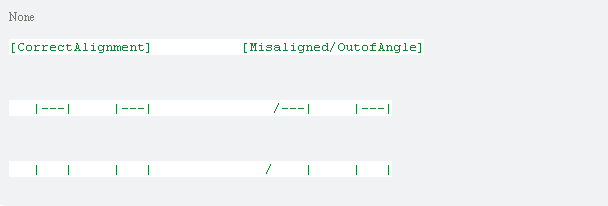
Wheel alignment remains the single most frequent reason a vehicle refuses to track straight, and understanding the geometry behind it explains why even small disruptions cause noticeable drifting. Your car’s steering geometry relies on three primary angles: camber, caster, and toe.
● Camber is the tilt of the wheel inward or outward when viewed from the front.
● Toe is the direction the tyres point relative to the centerline of the vehicle when viewed from above.
● Caster is the angle of the steering axis when viewed from the side, which directly influences straight-line stability and steering return.
When all three angles match the manufacturers precise factory specifications across both sides of the front axle, the vehicle tracks true. However, hitting a sharp pothole, clipping a concrete curb while parallel parking, or simply driving over corrugated, unsealed roads over time can easily knock one of these delicate angles out of tolerance.
When this occurs, the car behaves as if one wheel is constantly trying to steer in a slightly different direction than the other three. You find yourself making micro-adjustments every few seconds just to stay in the centre of your lane, often without consciously realising it. If you are curious about what causes car suspension problems more broadly, a knocked-out wheel angle is almost always near the top of the list, as steering geometry and suspension integrity are inextricably linked.
The suspension system relies on heavy-duty rubber bushes, ball joints, tie rod ends, and control arms to hold the wheels securely in position while allowing smooth vertical movement over bumps. As rubber bushings crack or ball joints develop internal play, the affected wheel loses its firm mechanical support.
Under the forces of acceleration, rolling resistance, and cornering, that wheel shifts out of position, causing the vehicle to wander toward whichever side has the most play in the linkage.
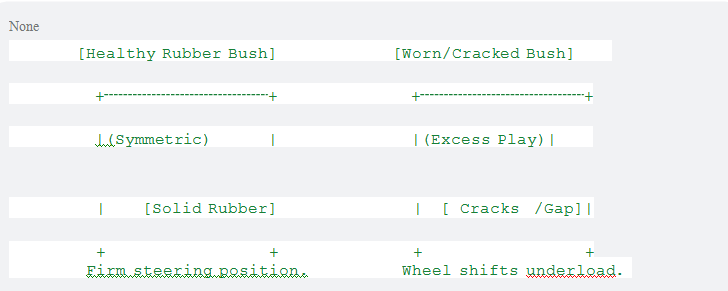
Because this wear happens slowly, the pull creeps in over several months rather than appearing suddenly, which is precisely why so many drivers fail to notice it until it becomes severe. This structural slack also leads directly to accelerated uneven tyre wear on the affected corner, as the tyre is forced to drag at an improper angle across the road surface rather than rolling flush against the asphalt.
A Dragging Brake Can Pull You Too
This one catches people off guard because it has nothing to do with steering or wheels at all. A dragging brake caliper can pull a car left even with brand new tyres and a perfectly calibrated alignment, simply because one wheel is experiencing constant friction while the others are spinning freely. Inside a disc brake setup, the caliper uses hydraulic pressure to squeeze brake pads against a spinning metal rotor. When you release the brake pedal, internal seals pull the caliper piston back just enough to clear the rotor surface. If a caliper piston seizes due to corrosion, or if the sliding pins become dry and rusted, the brake pad continues pressing lightly against the rotor even while cruising down the highway. This creates continuous drag on one side of the car, forcing the vehicle to pivot toward the dragging wheel.
Pay close attention to when the pulling occurs:
- If your car pulls when braking specifically—meaning it tracks straight on the highway but drifts the moment you touch the brake pedal—a sticking caliper slider, restricted brake line, or uneven pad wear is far more likely than a tyre issue.
- A car pulling to the left under braking usually points to a sticking mechanism on the left front corner.
- Conversely, if your car pulls to the right when driving at constant speeds, the right-hand brake assembly may be hung up and generating heat continuously.
Low Tyre Pressure (The One People Actually Get Right)
Heres the one time tyres genuinely are the answer, and its also the easiest thing on this whole list to check. If one tyre is running noticeably lower than the others, it creates more rolling resistance on that side, and the car will drift gently toward it. This is the classic car pulling to one side scenario that actually is about the tyres — just not in the way most people assume, since its rarely about tread or age and almost always about air pressure. Its also the best news on this list, because it costs nothing and takes two minutes to fix.
| Driver Symptom | Likely Cause | Diagnostic Difficulty | Fix Effort |
| Pulls continuously while cruising | Low tyre pressure on one side | Very Easy | Airtop-upin2 minutes |
| Pulls continuously with correct PSI | Misalignment or worn suspension | Moderate | Needs alignment hoist |
| Pulls only when pressing the brake | Seized caliper or sticking pad | Easy to feel | Hydraulic/brake repair |
| Slight drift on sloped roads | Normal road crown effect | Very Easy | No repair needed |
A Crooked Steering Wheel Is a Clue Too
Heres a detail worth checking regardless of which direction the car pulls: does your steering wheel sit dead straight when you are driving in a straight line, or is it turned slightly to one side? A steering wheel off-centre while the car is otherwise tracking straight is a strong sign of an alignment issue, and its often the giveaway that separates a genuine mechanical fault from something like a crowned road surface.
Read More: Wedding Limousine Company Questions
It is also worth distinguishing between a vehicle that pulls and a driver experiencing difficulty turning the steering wheel. While an alignment fault causes the car to drift on its own, heavy, stiff, or notch-filled steering usually points to issues with the power steering fluid level, a slipping belt, a failing power steering pump, or a bound-up steering rack. Both symptoms affect handling, but they stem from distinctly different sub-systems under the bonnet.
What You Can Check Yourself (Before Booking Anything)
Before booking an inspection, you can run three basic checks right in your driveway to eliminate the simplest variables.
1. Check Cold Tyre Pressures
Use a digital tyre pressure gauge to measure all four tyres when they are cold. Compare the numbers directly to the manufacturer spec plate located inside the driver-side door jamb. Do not rely on the maximum PSI rating printed on the tyres rubber sidewall, as that represents the maximum pressure the tyre casing can physically hold, not the optimal inflation pressure for your vehicles weight distribution.
2. Inspect Tread Depth and Wear Patterns
Run your hand flat across the width of the tread on both front tyres. If the inner or outer edge feels distinctly rougher, feather-edged, or balder than the rest of the tread face, your suspension geometry is scrubbing the rubber as you drive. You can use a dedicated tread depth gauge or a small coin to confirm whether one corner is wearing down faster than the others.
3. Factor In “Road Crown”
Roads are deliberately engineered with a slight slope away from the centre median toward the curb to allow rainwater to drain quickly during heavy storms. This sloping angle is called the road crown. If your car drifts slightly toward the left gutter on a crowned two-lane road, but tracks perfectly straight on a wide, flat highway, you are likely feeling the road design rather than a mechanical fault in your chassis.
When Its Time to Stop Guessing and Get It Checked
If you have checked pressure, the pull is still there, and it doesn’t change whether you are braking, accelerating, or coasting, its time to stop guessing. Alignment, worn suspension components, and brake issues all need a proper inspection on a hoist to diagnose properly — none of them is something you can confidently rule in or out from the drivers seat. This especially applies if the pull is getting stronger, if you have noticed any clunking over bumps, or if the steering feels vague or loose. At that point, a quick chat with a mechanic you trust is worth far more than another lap of guessing, since they can actually measure the angles and check the components rather than just feeling the symptom.
Final Thought
A car that drifts toward one side is annoying, but its rarely mysterious once someone actually looks underneath it — the causes are well understood, and most of them are straightforward to fix once identified. If you have done the easy checks and the pull is still there, its worth getting it looked at properly rather than living with it or guessing at parts to replace. We handle steering and suspension repairs in Sydney fairly often for exactly this kind of thing, and more often than not, it turns out to be something other than the tyres.